
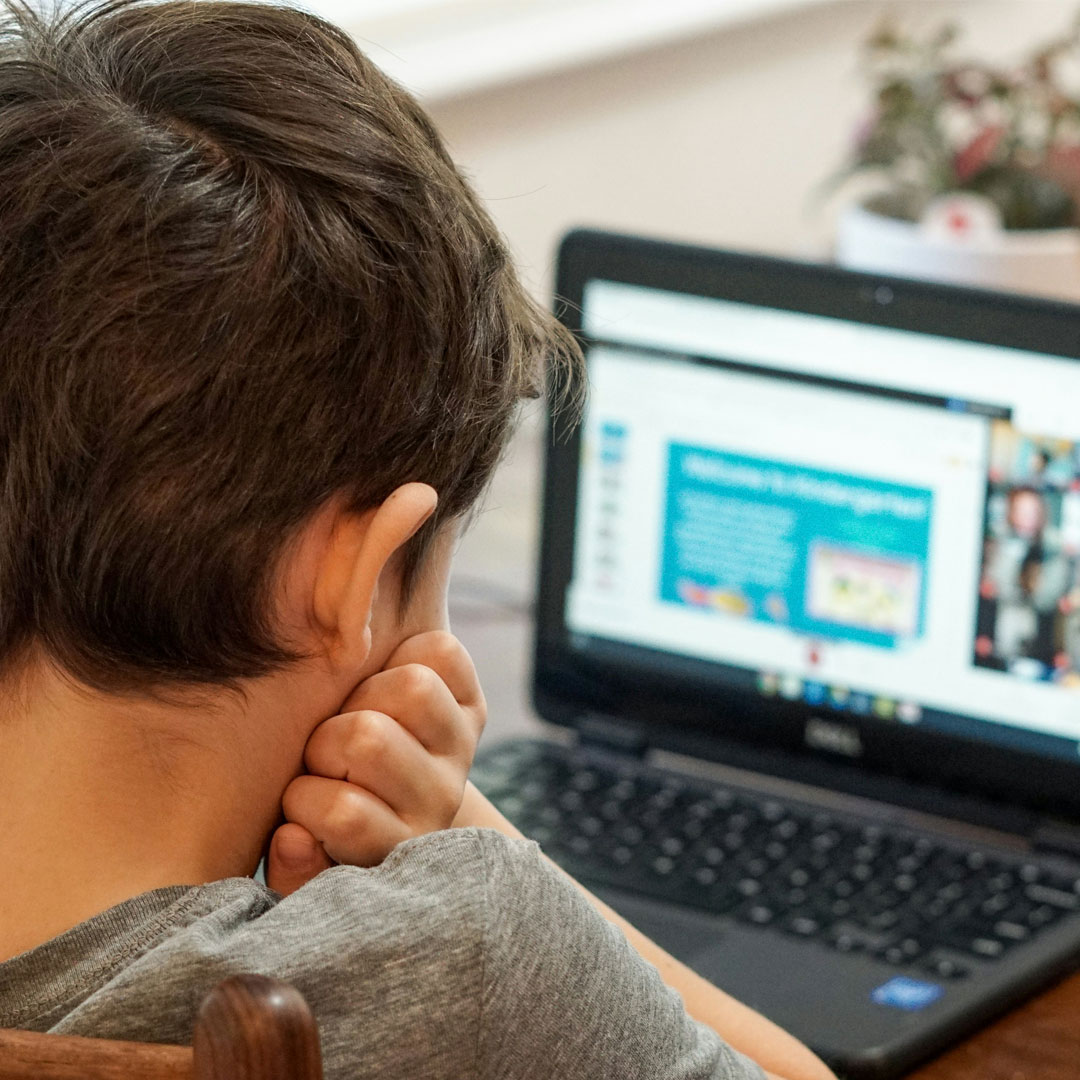
Viral online challenges and trends are popular among children and teens. These involve users recording themselves or others taking part in a challenge, sharing it on social media, and then encouraging or daring others to repeat the challenge. Sometimes these challenges can encourage users to do something on a specific date or time, which can create a sense of urgency and pressure to take part. They are often designed to seem exciting and can create alarm, which can make them appealing to curious young people who may not understand the risks.
Online challenges can be fun, such as those involving dancing or football skills. However, some contain dangerous stunts or activities that could seriously harm a young person. In recent years, harmful online viral challenges related to self-harm and suicide have caused widespread concern. This type of content has the potential to cause serious harm to those participating, and in some cases may even lead to death.
If you come across a harmful challenge, your first instinct may be to share or warn others. However, this can increase curiosity, leading to ‘copycat’ behaviour, where individuals imitate dangerous actions they see online. Instead, report videos promoting harmful challenges to the platform and teach your child to do the same. Reporting dangerous content helps prevent others from seeing it and reduces the spread of harmful trends.
Why are challenges so popular?
Young people can sometimes feel pressured to join in these challenges. Participating can give them a sense of belonging, especially if their peers are doing it. It can also make them feel popular, gaining attention from others in the form of views, likes, comments, and followers on social media. Watching others perform the challenges without being harmed may lead young people to underestimate the risks that some challenges present.
Talking to your child about harmful online challenges
1. Open communication
Talk early and openly with your child about how they feel and what they do online. Explain that some challenges can be dangerous and that what they see on social media isn’t always real – sometimes it looks like everyone is joining in, but that’s often not true. To get the conversation started, ask about the challenges they like to watch on their own or with friends. Make sure they understand the risks and reassure them that they can always talk to you if they feel worried, upset, or pressured.
2. Set boundaries
Remind your child to never take part in challenges that involve stunts or could cause physical or emotional harm to them or others. Establish clear rules for social media use and regularly monitor their online activity using parental control tools. Internet Matters offers step-by-step guides to help you set up the right controls and privacy settings on children’s devices, apps, and platforms.
3. Encourage critical thinking
Help your child to understand that not everything they see online is real. Discuss the risks of fake content generated by Artificial Intelligence (AI), such as deepfakes, which can make harmful challenges look real.
4. Show them how to report harmful content
Most platforms do not allow posts that encourage, instruct, or promote self-harm, self-injury, or suicide. If you see videos promoting harmful challenges, report them immediately to the platform. Teach your child how to do the same. Reporting dangerous content helps prevent others from seeing it and reduces the spread of harmful trends. If they see a harmful or dangerous challenge, they should:
- Tell you or another trusted adult right away,
- Report it to the platform (find out how to here),
- Avoid sharing it and consider blocking the user who posted or shared it.
5. Avoid sharing upsetting content
Even if a challenge or trend goes viral, it doesn’t mean all children have seen or heard of it. Educate them about the risks or challenges or trends without showing explicit examples. Focus on key advice, such as talking to an adult, and reporting and blocking concerning content or contacts.
Responding to harmful challenges
Stay calm and reassure
Calmly let your child know they did the right thing by telling you. Ask about the challenge and check if they have harmed themselves or others. If they or someone else is in immediate danger or require urgent medical attention, please call 999.
Inform your school or relevant authorities
Let the designated teacher or safeguarding lead in your child’s school, college, or club know about the harmful challenge so they can take appropriate action. If you’re worried about the safety of any child or young person, seek advice from the police. This helps prevent the challenge from spreading and ensures the safety of all children involved.
Avoid naming specific challenges
When online challenges are brought to your attention your first instinct may be to issue a warning about it, this can unintentionally increase curiosity and drive more young people to search for the harmful content.
Report the harmful content
Help stop the spread of harmful content by blocking and reporting it directly to the platform to get it removed. This will help prevent others from seeing it. Report Harmful Content can guide you through the reporting process for many popular sites.
Seek advice and support
- If you’re unsure what to do and are worried about a child or something they may have experienced, contact the NSPCC Helpline for free support and advice. If your child wants to speak to someone else, they can contact Childline.
- Your GP is an important source of support if you are concerned about a childs health and wellbeing.
- If you or someone you know is in distress or despair and need someone to talk to, you can call lifeline free on 0808 808 8000, or visit the Lifeline website.
- If you want to learn more about mental health and wellbeing, Minding your head has lots information, advice and support.
© SBNI2025